



Art Archive · Ukiyo-e
Ukiyo-e Gallery (Guide)
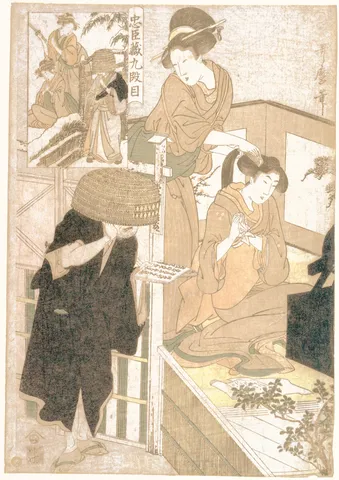
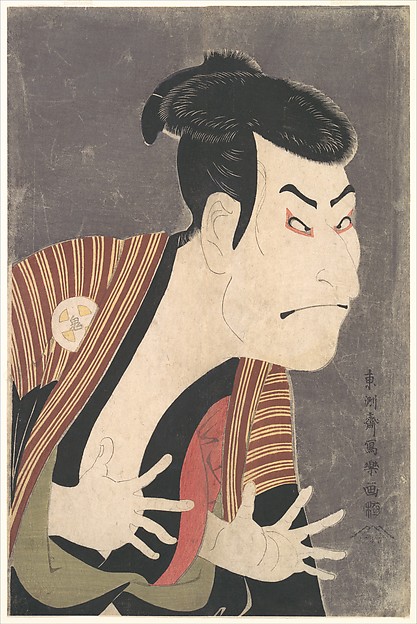
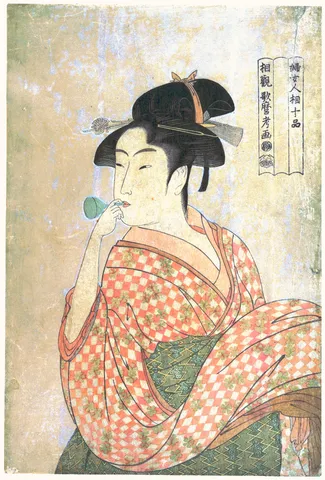
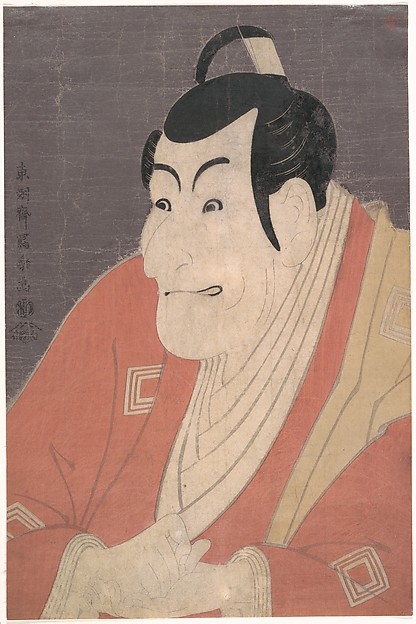
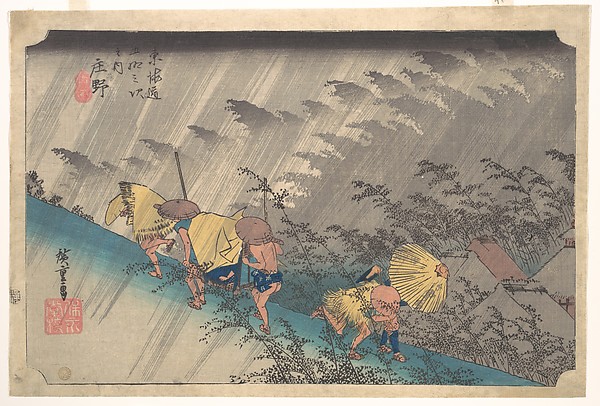
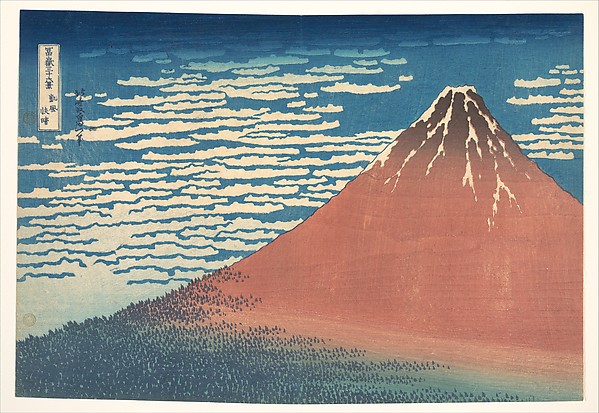
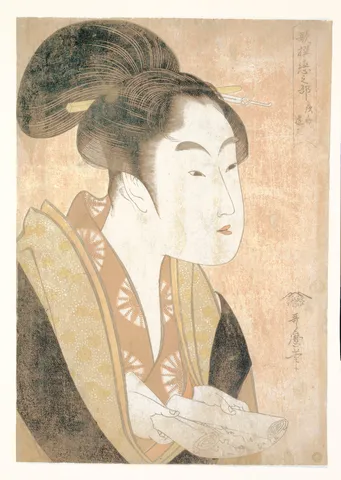
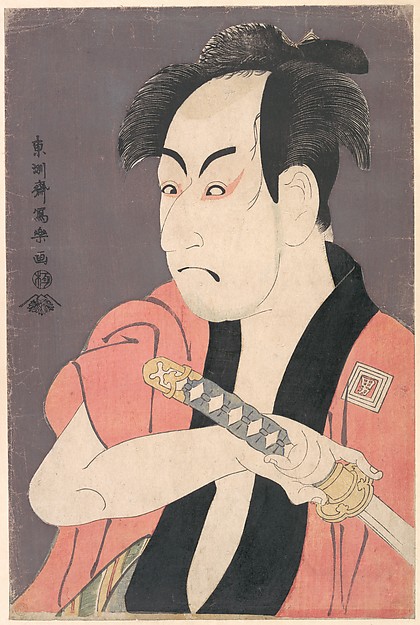
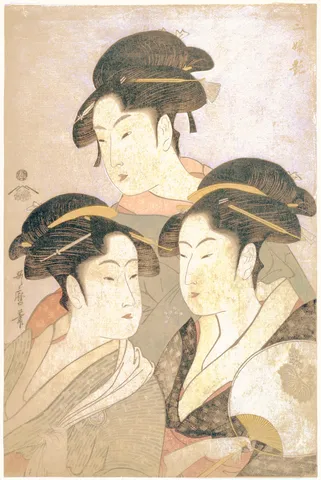
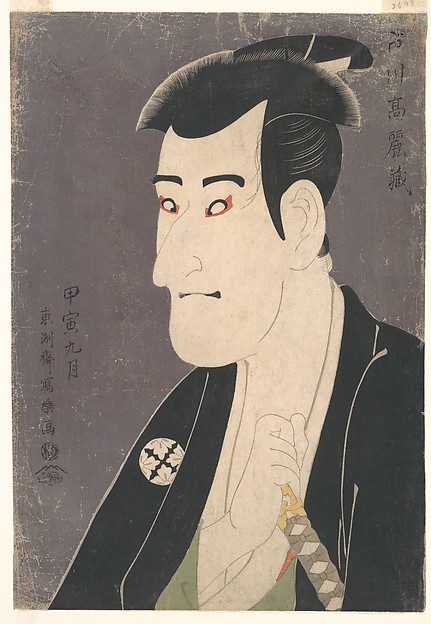
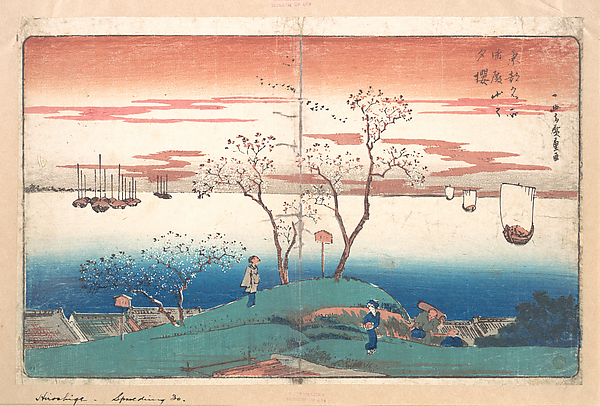
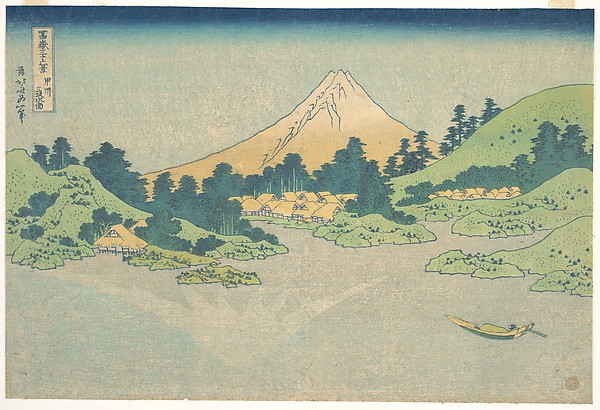
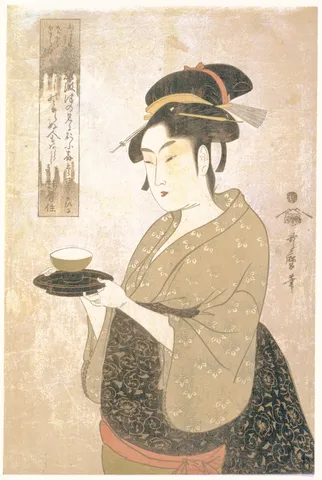
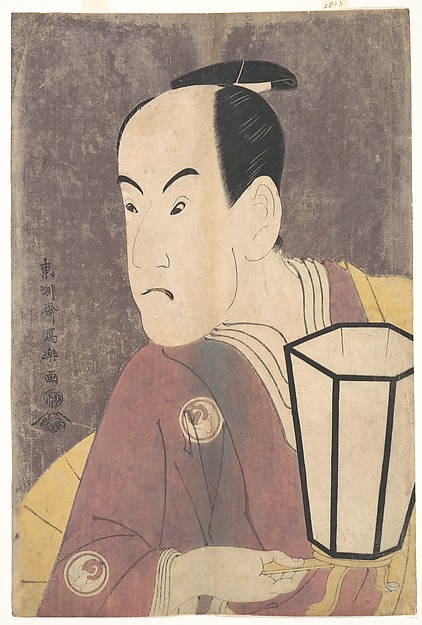
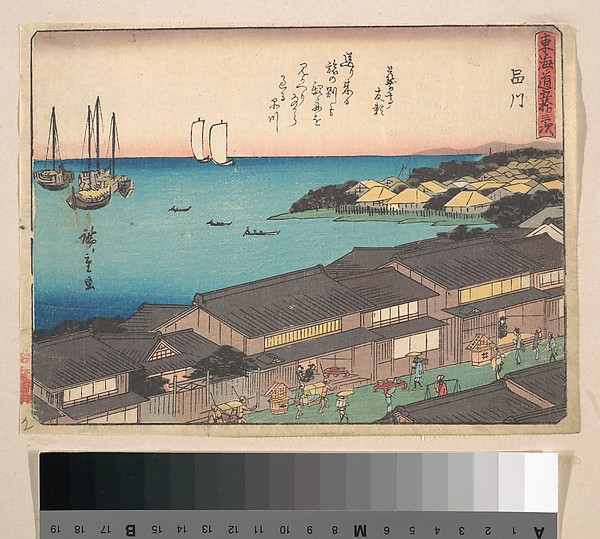
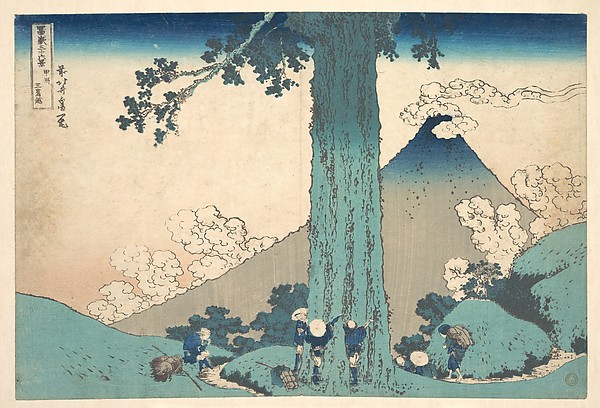
Ukiyo-e is a genre of painting and woodblock prints centered on Edo-period urban culture. Kitagawa Utamaro in bijin-ga (pictures of beautiful women), Toshūsai Sharaku in actor portraits, and Utagawa Hiroshige and Katsushika Hokusai in meisho-e (famous-place views) are among its best-known masters. This guide offers an overview of history and technique, with links to our English gallery guides for Utamaro, Sharaku, Hiroshige, and Hokusai.
A dedicated high-resolution viewing page is in preparation (URL to be announced).
What is ukiyo-e?
Ukiyo-e is a genre of painting and prints that grew with Edo-period urban culture. Subjects range from beautiful women and actors to famous places, sumō, and story illustrations—the "floating world" (ukiyo) of the day. Circulation centered on woodblock prints, produced in large editions at modest cost. Painters also made brush-painted ukiyo-e (nikuhitsu), usually as single commissions—a different path from the print trade.
A brief history
Origins (Genroku era and Hishikawa Moronobu)
In the late seventeenth century, Moronobu and others visualized urban life in ink prints and hand-colored sheets. Picture books and single-sheet images helped share the look of city life.
Nishiki-e (Suzuki Harunobu, multicolor printing)
In the Meiwa era, nishiki-e—multicolor woodblock printing—was established by Harunobu and his peers. Layering color blocks became standard, and ukiyo-e spread as a vivid print culture.
Golden age (Utamaro and Sharaku, Tenmei–Kansei)
Bijin-ga and actor prints reached a peak from Tenmei through Kansei. Kitagawa Utamaro's ōkubi-e and Toshūsai Sharaku's actor portraits are touchstones. Our gallery guides focus on this period and its surroundings.
Late Edo–Meiji (landscape, shin-hanga)
Katsushika Hokusai's Thirty-six Views of Mount Fuji and Utagawa Hiroshige's meisho-e drove a landscape boom with influence abroad. After Meiji, the role of ukiyo-e shifted and later connected to shin-hanga and related lineages.
How prints were made
Ukiyo-e prints were a division of labor: the publisher financed and distributed; the designer drew the composition; the block-cutter carved blocks; the printer layered colors. Censorship marks such as kaisei seals sometimes appear on published sheets—commerce and regulation both leave traces on a single nishiki-e.
Major genres
- Bijin-ga — Utamaro is the emblematic name. Utamaro Gallery (Guide).
- Actor prints — Sharaku. Sharaku Gallery (Guide).
- Meisho-e · landscape — Hiroshige and Hokusai. Hiroshige Gallery (Guide), Hokusai Gallery (Guide).
- Sumō and warrior subjects — among other genres visualizing performance and story; Hokusai's sumō prints may appear in broader collections.
Ukiyo-e abroad (Japonisme)
In the late nineteenth century, ukiyo-e was widely received in Europe as Japonisme, influencing Impressionism and later Western painting—flatness, cropping, and color fields were re-read with fresh eyes. For a dialogue across traditions, see also the Van Gogh Gallery (Japanese hub; English guide available at Van Gogh Gallery (Guide)).
Ukiyo-e gallery guides on this site
Hub links to our per-artist English gallery guides. All four masters include browsable work lists with Met English titles; high-resolution Ken Burns viewing opens on the linked Japanese work pages.
-
Bijin-ga
Utamaro Gallery (Guide)
Bijin-ga and ōkubi-e from the Kansei era — hairline, mica printing, and expression in work-by-work notes.
Open guide →
-
Actor portraits
Sharaku Gallery (Guide)
Centered on the mica-ground ōkubi-e of 1794 — theater culture condensed into a single face.
Open guide →
-
Meisho-e · Landscape
Hiroshige Gallery (Guide)
Fifty-three Stations of the Tōkaidō, One Hundred Famous Views of Edo, and other landscape series.
Open guide →
-
Meisho-e · Landscape
Hokusai Gallery (Guide)
Thirty-six Views of Mount Fuji and compositional experiments across series — Fuji as the axis.
Open guide →
For a deeper cultural reading across the four masters, see Threads of Japan .
FAQ
- What is the difference between ukiyo-e and nishiki-e?
- Ukiyo-e is the genre name; nishiki-e refers specifically to multicolor woodblock prints. In the Meiwa era, Suzuki Harunobu and others established nishiki-e, layering multiple color blocks on one sheet. In narrow usage, nishiki-e = multicolor ukiyo-e woodblock print.
- Why do so many ukiyo-e works live in museums abroad?
- From the late Edo through Meiji periods, ukiyo-e exported from Japan entered Western collections and museums. Domestically they were sometimes treated as disposable goods or wrapping paper, while abroad they were valued and preserved earlier. Open Access holdings at The Metropolitan Museum of Art are one way to trace those collections digitally.
- Which artists can I explore on this site?
- English gallery guides are available for Kitagawa Utamaro, Toshūsai Sharaku, Utagawa Hiroshige, and Katsushika Hokusai — each with a browsable work list. Ken Burns viewing for individual prints remains on the linked Japanese work pages.
- Are all ukiyo-e woodblock prints?
- Woodblock prints (ukiyo-e hanga) dominated circulation, but painters also produced original brush paintings (nikuhitsu ukiyo-e). Prints were a division of labor among publisher, designer, block-cutter, and printer; brush works were often single commissions.